
Published
Semolina vs flour for maamoul, nammoura and sfouf
Choosing semolina or flour for Lebanese baking? Compare their textures, understand resting time, and see why maamoul and nammoura recipes use different mixes.
Semolina has a grainier texture than ordinary white flour. In Lebanese baking, it gives nammoura and many maamoul recipes their characteristic crumb. White flour makes a smoother dough or batter. Some recipes combine them; changing the balance changes the result.
The useful question is not which one is better. It is which grind and mixture your recipe expects.
What is semolina?
Semolina is a granular product of wheat milling, commonly made from durum wheat. It is called smeed — سميد — in Arabic. It comes in different grinds, so “semolina” alone does not tell you how coarse it is.
Our 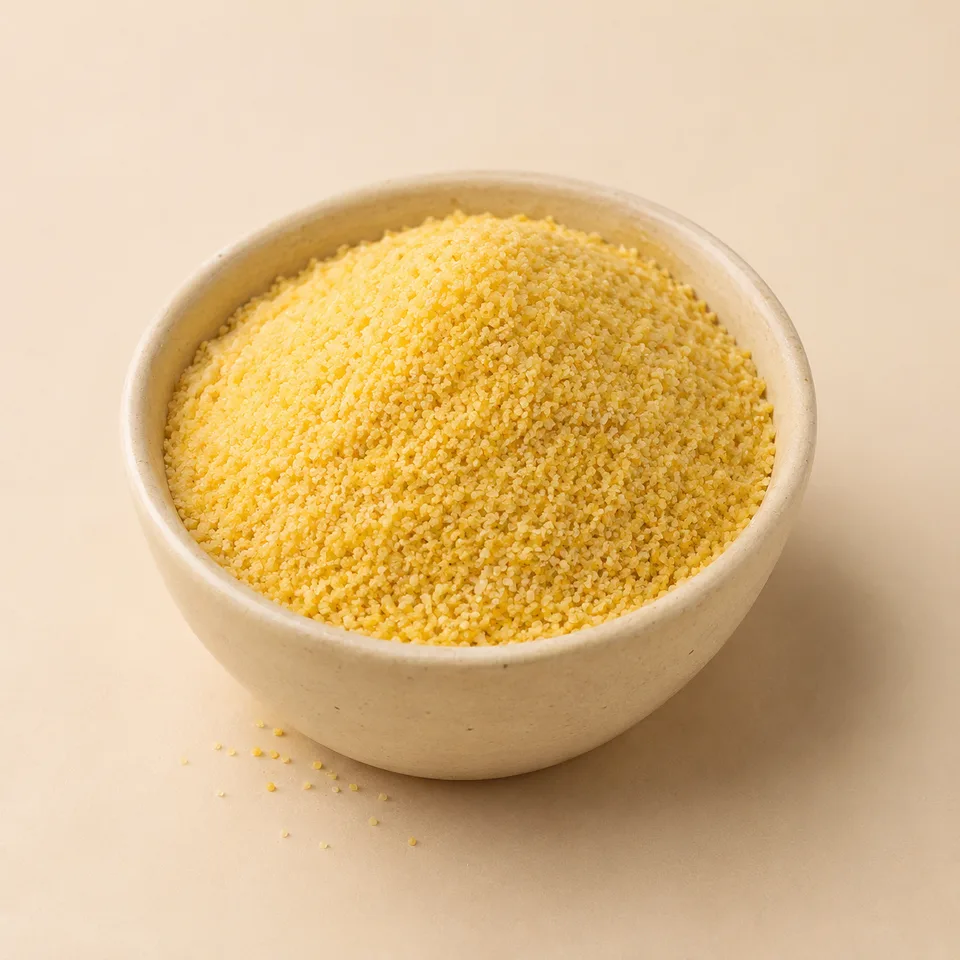 Yellow Semolina is listed as a coarse, grainy flour. If a recipe specifies fine semolina, check the grind before buying rather than choosing on colour alone. Yellow colour is not a measurement of grain size.
What changes when you use white flour?
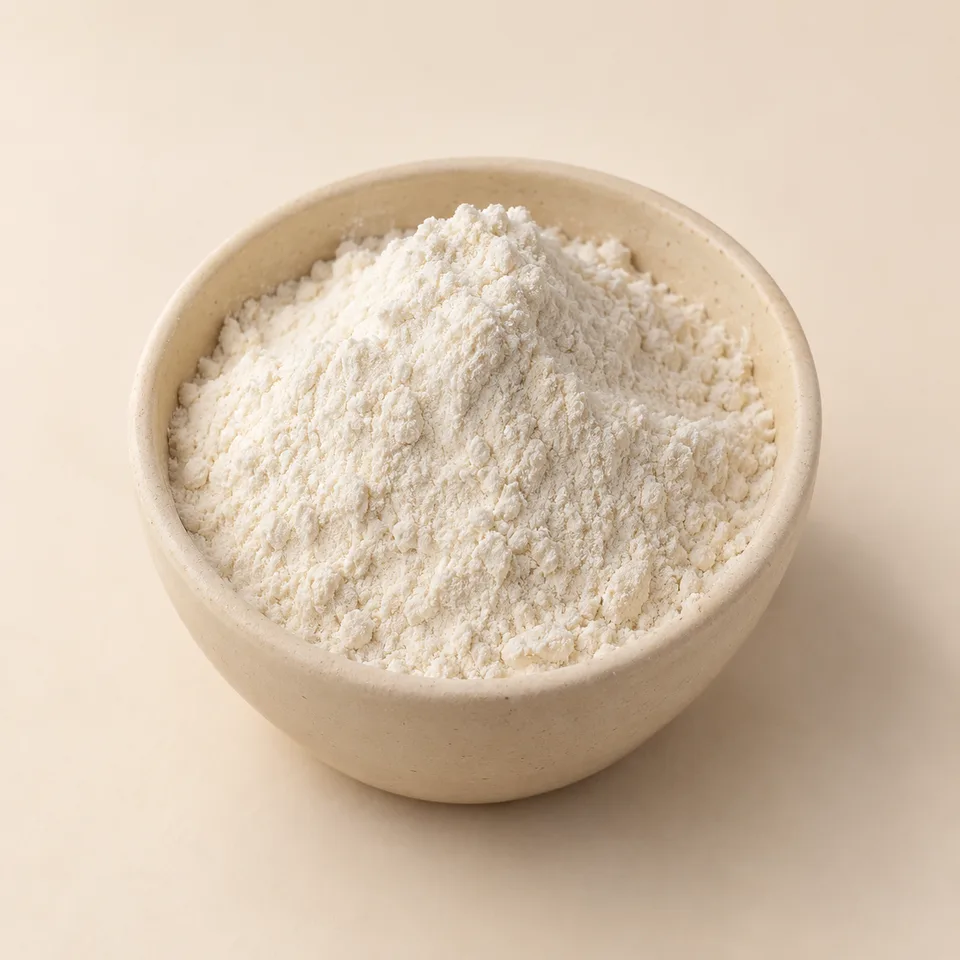 White Flour feels more powdery. It helps bind many doughs and gives a different crumb from a semolina-heavy mixture. A recipe made for white flour may need a different amount of liquid and a different resting method from one made for semolina.
Do not replace a whole cup of semolina with white flour and assume the dough will behave identically. Even when the dough comes together, the baked texture can be different.
Which one for each dessert?
- Nammoura: semolina is central to its grainy crumb. Use the grind and syrup method in the recipe; flour alone will not reproduce that texture.
- Maamoul: recipes may use semolina, flour or a mixture. Decide whether you want the particular recipe's semolina crumb or flour dough before measuring. A family recipe's proportions matter more than a general rule that all maamoul must use one ingredient.
- Sfouf: many versions mix semolina and flour. Keep the stated balance on your first attempt so you can judge the texture before making changes.
For the fat in maamoul or nammoura, use the type and amount the recipe specifies. Our 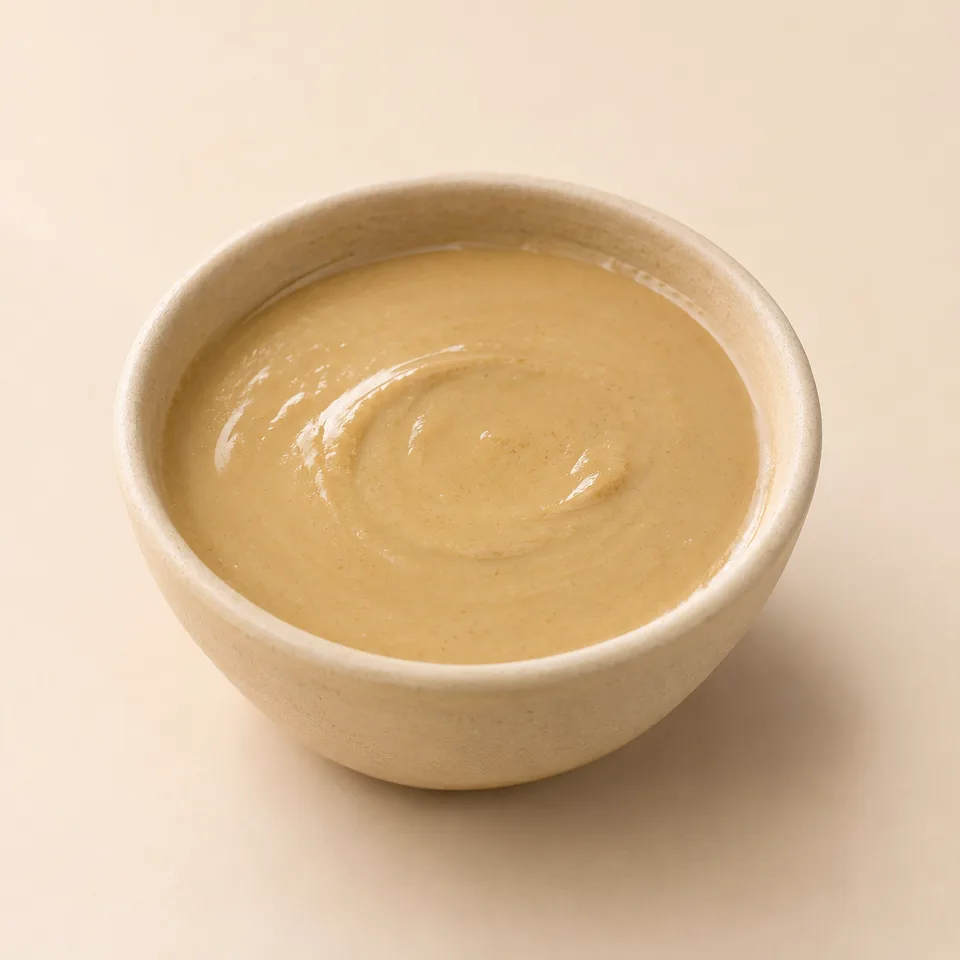 Tahini can be useful in recipes that call for greasing the baking tin with tahini; it is not an automatic replacement for butter or other fat in the dough.
Why does the mixture need to rest?
Semolina grains need time to take up moisture. In some maamoul recipes, semolina is first rested with fat, then mixed with other ingredients later. In others, a hydrated dough rests before shaping. Those are different steps: follow your recipe's order and timing.
If a mixture feels loose immediately after mixing, give it its stated rest before adding extra flour. If it feels dry, check that you used the intended grind and measured the ingredients correctly before changing the liquid. Weighing ingredients is useful when comparing attempts.
What about starch?
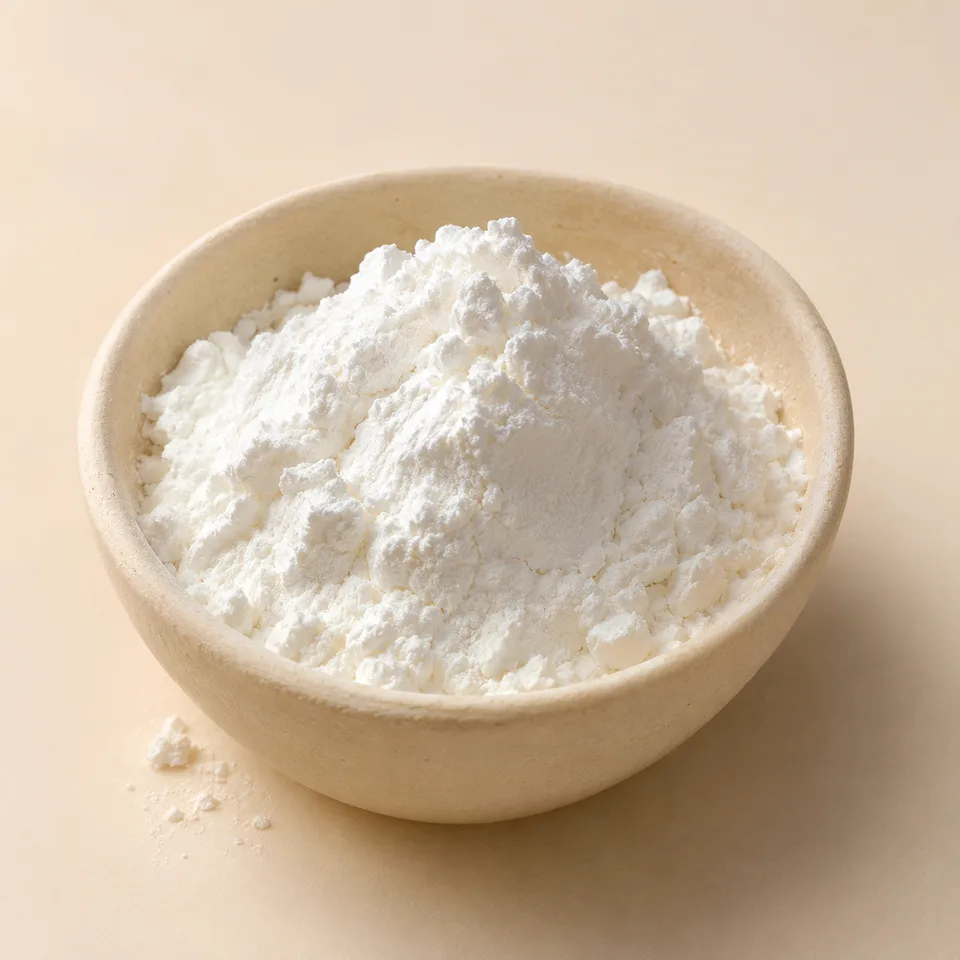 Starch (Nesha) is another ingredient again. It is used mainly for thickening, including milk puddings. It does not replace semolina in nammoura or the flour in a bread dough. Our starch and flour guide explains that distinction.
Bring a clean, dry container if you want only enough for one tray; see how refilling works.
Further reading
King Arthur Baking's introduction to semolina explains the milling and texture. For a particular Lebanese dessert, follow a recipe written for that dessert and grind.